

Education
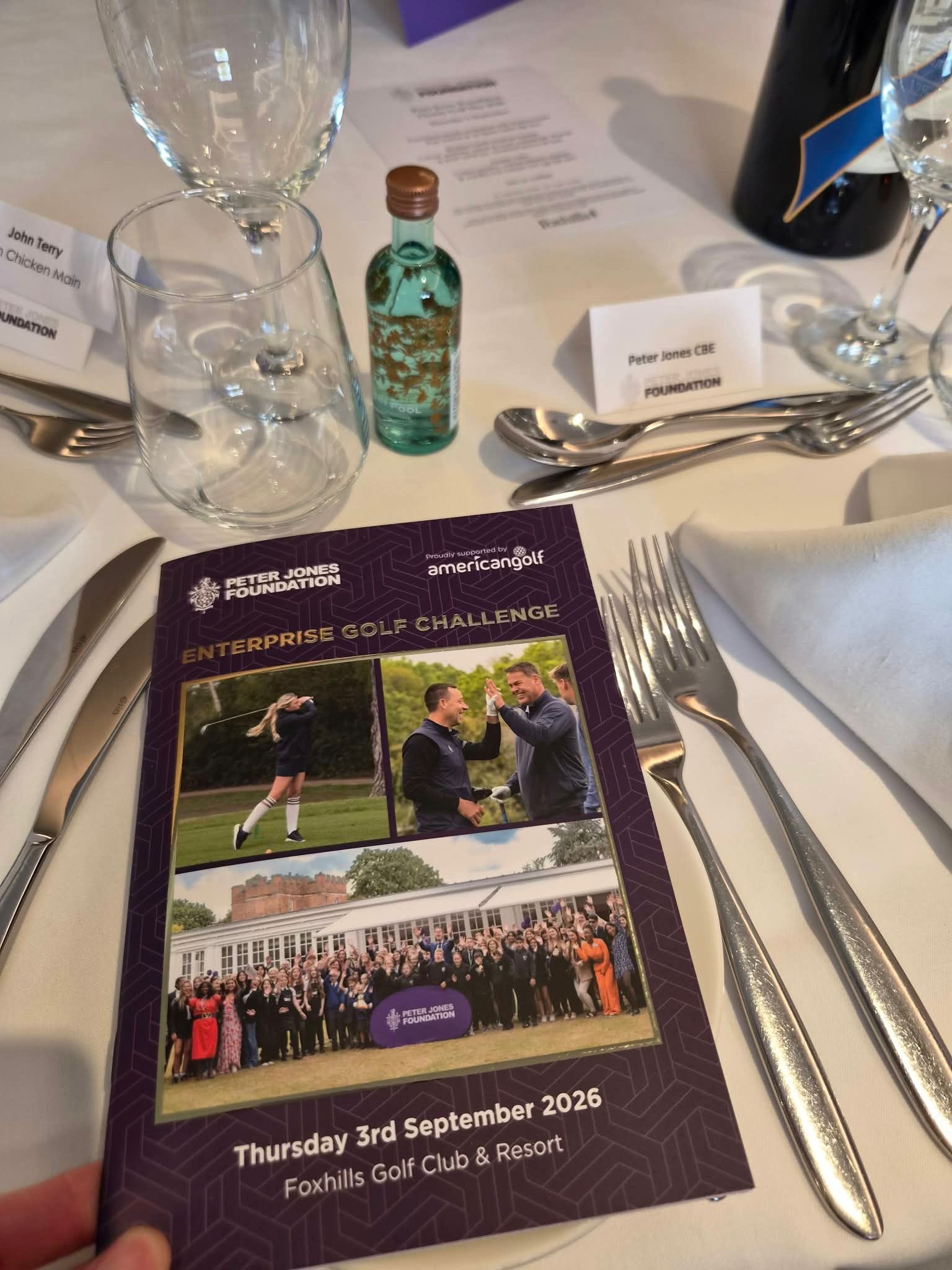

Whether it's the annual ball, a Christmas fundraiser, or both, this time of year tends to pile every major charity event into the same few months. Each one takes months of planning to pull off in one evening, and print and signage usually get left until the deadline is breathing down your neck.
Here's what can make the difference between an event that runs smoothly and one that's held together with last-minute panic.
1. Make your print and signage list before you touch the guest list
When you think about print, it's often a longer list than people expect. If you're planning a ball, you have the tickets, table plans, menus, auction materials, signage, and thank-you cards. Anyone who's planned events knows that it's easy to only notice a gap once you're a week out. Write it all down early, alongside the rest of the event plan, not as an afterthought once everything else is booked.
2. Build in a buffer for the things that will change
The best laid plans can always end up changing.
This always happens, so plan for a reprint window rather than assuming the first version will be the only version.
3. Keep branding consistent, even when different people are producing bits of it
If regional offices, volunteers or different departments are each sourcing their own banners or materials, that's usually where things start looking inconsistent, sometimes literally on the night. One agreed template set, used by everyone, avoids that.
4. Centralise ordering instead of juggling multiple suppliers
Chasing five different suppliers for five different items in the final week is one of the most common causes of last-minute stress. One point of contact for all of it means one place to check on progress, not five.
5. Plan delivery to the venue, not just production
Getting something printed on time isn't the same as getting it to the right place on the right day. Build delivery into the timeline as its own step, especially if materials are going straight to a venue rather than back to your office first.
6. Reuse and adapt templates rather than starting from scratch
If you ran a similar event last year, there's no need to redesign everything from zero. Adapting an existing, on-brand template is faster, cheaper, and reduces the chance of something slipping through unchecked.
7. Order realistic quantities, not just a safe-sounding round number
Overordering "just in case" wastes budget and stock that could go elsewhere. A quick look at last year's actual numbers usually gives a more accurate guide than guessing.
8. Give the whole job one point of contact
However many moving parts an event has, it's far easier to manage if one person, or one partner, is holding the print and signage side together, rather than that responsibility being split across whoever had time that week.
None of this is complicated. It's mostly about starting the print and signage side earlier, and not letting it be the thing five different people are quietly responsible for.
Still sourcing quotes from five different suppliers for one event?
That's exactly the gap we close. One point of contact for every piece of print and signage your event needs, sourced, produced, and delivered to the venue on time, so your team can focus on the event itself rather than chasing boxes.
If your event calendar is already looking tight, get in touch before it gets loud.